

Rehab Centre
Loading...
All categories
▼
The Book.
Organisation
Lectures
Counselling materials
Clean earth
Engineering
Five - Medium
Introduction
Five about the precepts
Appearance
most popular
▼
most popular
newest
Course name
Course name
Number of hours
Number of hours
The Book.
19
Course hours
A collection of Buddhist lectures
A collection of Buddhist lectures
The Book.
181
Course hours
It's a serious story.
It's a serious story.
The Book.
15
Course hours
Buddha said to take advantage of His Majesty's speech.
Buddha said to take advantage of His Majesty's speech.
The Book.
14
Course hours
Launching the Buddha Sasaki's message.
Launching the Buddha Sasaki's message.
The Book.
18
Course hours
He's got a story to tell.
He's got a story to tell.
The Book.
5
Course hours
Praise the Monks.
Praise the Monks.
The Book.
11
Course hours
Buddha says it's a good life.
Buddha says it's a good life.
The Book.
8
Course hours
What Buddha has said for King Quixaloon is a great use.
What Buddha has said for King Quixaloon is a great use.
The Book.
8
Course hours
Buddhist Monuments
Buddhist Monuments
Clean earth
1
Course hours
I've been working on this.
Whoever reads this will be able to live in the best of the West!

Counselling materials
63
Course hours
Decoding the light theory - Master's guidance
Decoding the light theory - Master's guidance
Five - Medium
42
Course hours
It's about the light.
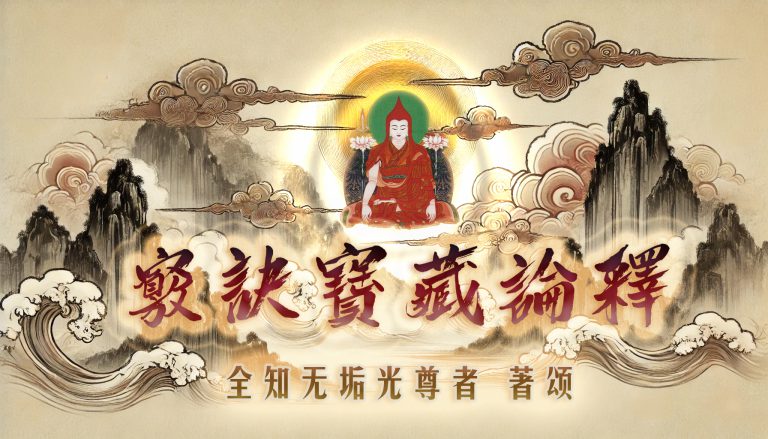
"The Book of the Decoration of the Lights" is the master of the Buddhist Ninima.—1912) The Buddhist literature, written at the age of seven, is written by the books of the masters of Inchin Chimbo. In a question-and-answer session on the core teachings of neutralism, spaceness and dualism, it is divided into seven main parts, and ultimately points to the reality of dualism, which is reproduced in letter No. 26 of the Encyclopaedia of the Great Panzida Mapen, Southern Gajatso. The Ningma are seen by the Ningma as a collection of the essence of the pretense of religious law, reflecting a great deal of self-confession.
Appearance
202
Course hours
Introduction - Appearances
Introduction - Appearances
Organisation
6
Course hours
Five mountains.
It's a record of the openings and the bounds of the five mountains, from the Buddha's top to the Temples to the great shrines.Bodhimandala It's a victory.

Organisation
6
Course hours
Mr. Hiropha.
To explore the responsibility of promoting Buddhist law, developing Buddhist talent and interests and recognizing the mission of Buddhists in contemporary society.
Organisation
10
Course hours
Opening of school mailings
Together with the opening of the annual school year and the opening of the new semester, the school children are encouraged to cherish their origins, their wisdom, and to keep their head on the long journey of study.

Organisation
16
Course hours
Elements of a course
From the clean heart, the middle lane, the co-painted to the clean earth and the secret arts, the key principles and practical know-how of daily practice are summarized.

Organisation
7
Course hours
Happy holidays.
Gather the signs and blessings of the New Year, the festivals, etc., and show good will and good deeds in the face of the past, so that the new beginning may come with a clean heart.

Organisation
13
Course hours
Smart life.
From happiness, happiness and human beings to life's choices, watching life with the wisdom of Buddha, finding true self-righteousness and direction throughout the world.
Organisation
7
Course hours
How to face the pain
In the face of disease, disaster, loss and human suffering, learning to change mindsets with Buddha and to develop wisdom and compassion in adversity.
Organisation
9
Course hours
Psychic.
Bringing together the classic teachings and the teachings of the French language, from the teachings of the masters to the Buddha's will, helps us to understand and to practice.
Organisation
25
Course hours
The law will open up.
A collection of the important openings of the annual Law Conferences was held around the themes of confession, wishmaking, practice and philosophies.

Organisation
16
Course hours
♪ Meet joy ♪——Global Live
It brings together the great openings of the global live broadcast, from compassion, Zeni, to emptyness and wisdom, to discover the joy and power of Buddha in life.
Organisation
5
Course hours
Release!
Learning from the meaning, virtue and practice of liberation, to respect all life with compassion, and to foster equality and compassion in the care of the human being.

Organisation
8
Course hours
You have to read before.
From initiation, conversion, philosophies to the top of yoga, to recognize the foundations and the key to learning and to sound the foundations of thinking.
Organisation
20
Course hours
Introduction
From the basics of why to learn to learn to learn to learn to learn to learn to learn to learn to learn to learn to learn to teach to build the right direction and basis for first scholars.
Counselling materials
236
Course hours
China Solemn Interpretation - Masters Guide Notes
China Solemn Interpretation - Masters Guide Notes
Five - Medium
128
Course hours
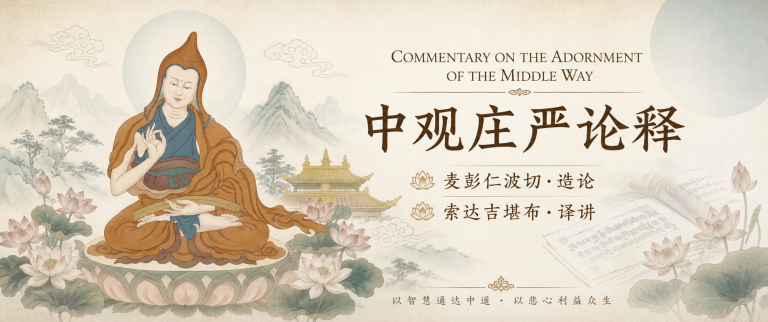
China's solemn interpretation
The Judicature of China is a grand and solemnly edifice of meso- and meso-mindedness, written by the All-Knower of McPeng Pan-Boche. This time, we are speaking mainly of McPentin Porche's Magenta, also known as the Words of Pleasantity.
Counselling materials
8
Course hours
Zheng Zheng Zheng Zheng Zheng
Zheng Zheng Zheng Zheng Zheng

Counselling materials
59
Course hours
A test of the heart-rending wheel, a curator's tutor's notes.
A test of the heart-rending wheel, a curator's tutor's notes.

Counselling materials
60
Course hours
Test of the book of relatives and friends -- tutors of the law
Test of the book of relatives and friends -- tutors of the law

Counselling materials
28
Course hours
The Pu-hyun promise - Master's tutoring notes test
The Pu-hyun promise - Master's tutoring notes test

Counselling materials
19
Course hours
The Buddha said that the Amitah had been tested by a curator.
The Buddha said that the Amitah had been tested by a curator.

Counselling materials
18
Course hours
Twenty-two tests of masculinity and masculinity notes
Twenty-two tests of masculinity and masculinity notes

Counselling materials
69
Course hours
Retrieving the original test of your curator's notes.
Retrieving the original test of your curator's notes.

Counselling materials
93
Course hours
Close to happiness.
Close to happiness.
Counselling materials
31
Course hours
The seven words of the Lotus Master's prayer for the interpretation of the law - the Master's tutoring of the notes test
The seven words of the Lotus Master's prayer for the interpretation of the law - the Master's tutoring of the notes test
Counselling materials
121
Course hours
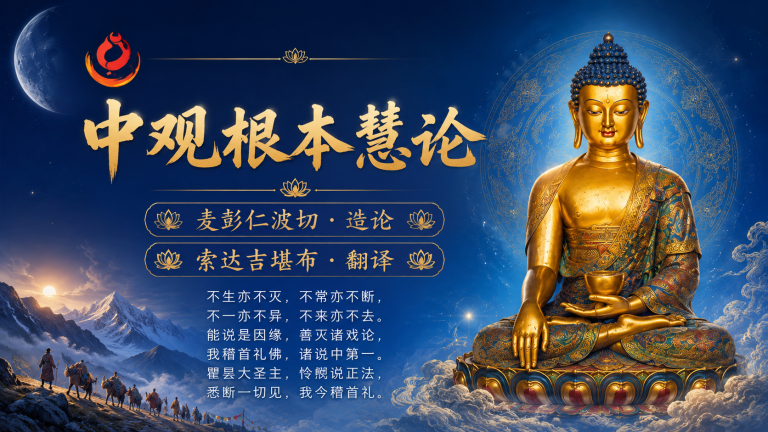
The Middle East Fundamentals - Jurist Guidance
The Middle East Fundamentals - Jurist Guidance

Counselling materials
284
Course hours
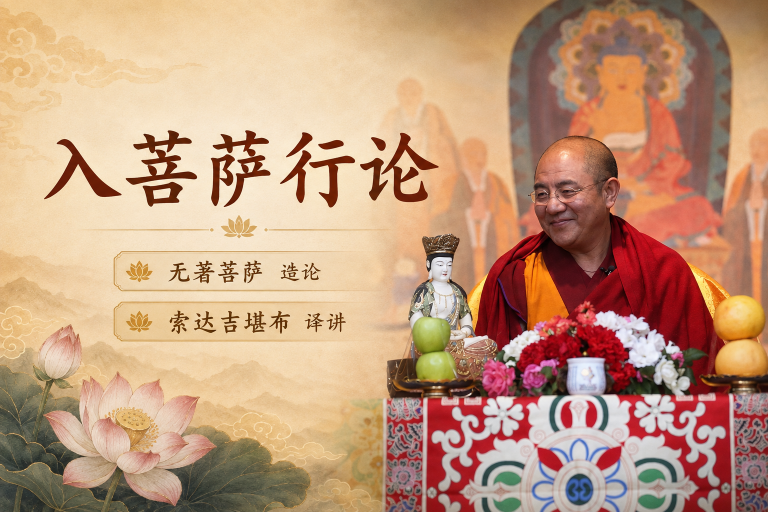
Tranquilization of Tranquillity - Master ' s guidance notes
Tranquilization of Tranquillity - Master ' s guidance notes
Counselling materials
436
Course hours
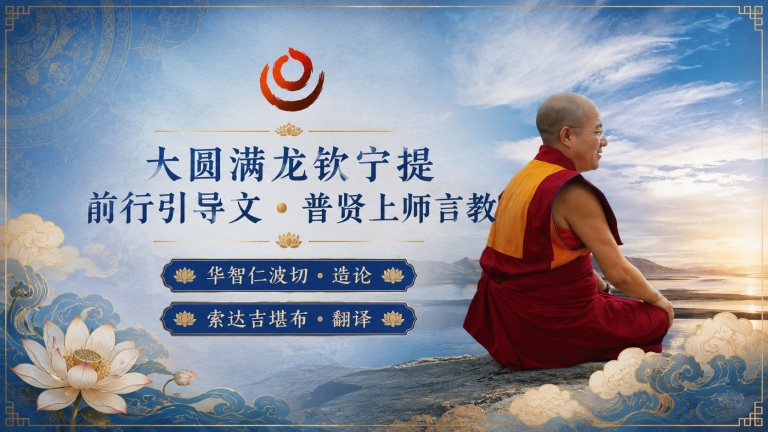
Introduction - Master ' s helper notes test
Introduction - Master ' s helper notes test
Counselling materials
440
Course hours
Quite a success.
Quite a success.
The Book.
25
Course hours
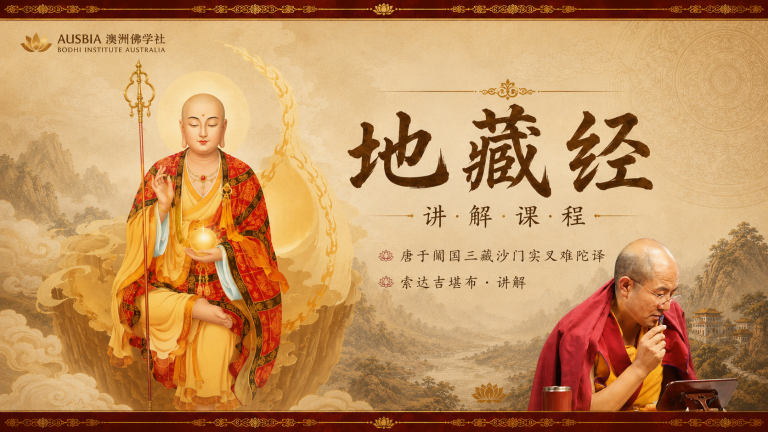
The Book of the Earth
In Han's Buddhist religion, the Ten Monuments of the Ten Monuments of the Ten Monuments of the Wallows of the Ten Monuments of the Ten Monuments of the Ten Monuments of the Oneness of the Oneness of the Oneness of the Oneness of the Oneness of the Oneness of the Oneness of the Oneness of the Oneness of the Oneness of the Oneness of the Oneness of the Oneness of the Oneness of the Oneness of the Oneness of the Oneness of the Oneness of the Oneness of the Oneness of the Oneness of the Oneness of the Oneness of the Oneness of the Oneness of the Oneness.
The Book.
63
Course hours
Myaphalin is free.
Buddha, in the transition, had come close to the Quran, and had left for the people during that time such a book with great merit and great merit. It is therefore important, on the one hand, for our audience here to understand exactly what is being said in the Myaphrine. But on the other hand, I would have preferred that every one of you should have heard of the legacy of the Good Pharaoh.
The Book.
6
Course hours
The pharmacist's seven Buddhas.
External diseases refer to physical diseases, most of which are the cures of the world ' s medicines, while each Buddha has a particularly good cure for the diseases in which greed prevails. So here's the chemist's seven Buddhas, and in addition to the chemist's guillotine, the other six can be called chemist Buddha. Even all the Buddhas like Amida Buddha can call them pharmacists.——They can treat people's diseases.
Lectures
40
Course hours
It's all right.
The Book of the Six Ancestrals, also known as the Book of the Six Ancestrals, the Book of the Six Ancestrals, the Book of the Six Ancestrals, the Book of the Six Ancestrals, a Book of the Books of the Books of the Six Ancestrals, by the Great Brahma of the Great Brahma of the State of Chu.
The Book.
117
Course hours
I'm glad to hear it.
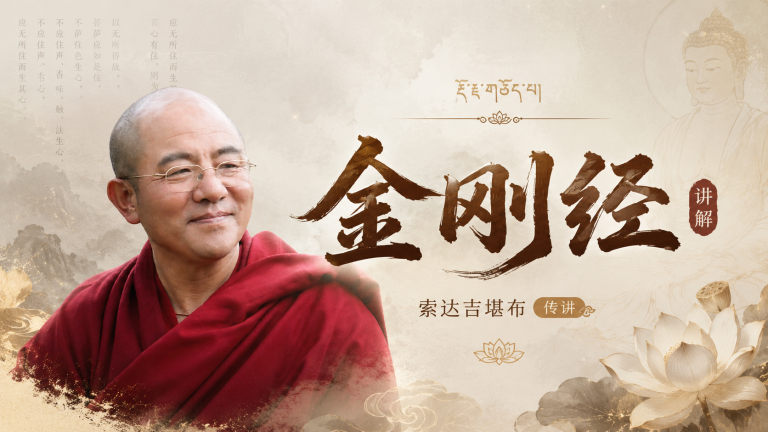
The Episode (also known as the Buddha's Buddha's Porome Book) is the most important of the books spoken by the Garonnifor. "Since" means full wisdom, "since" means "symbol" means "song" means "symbol". It is fully condensed in the broadest sense of the term, which describes the air and the Buddha's path.
The Book.
58
Course hours
What's the story?
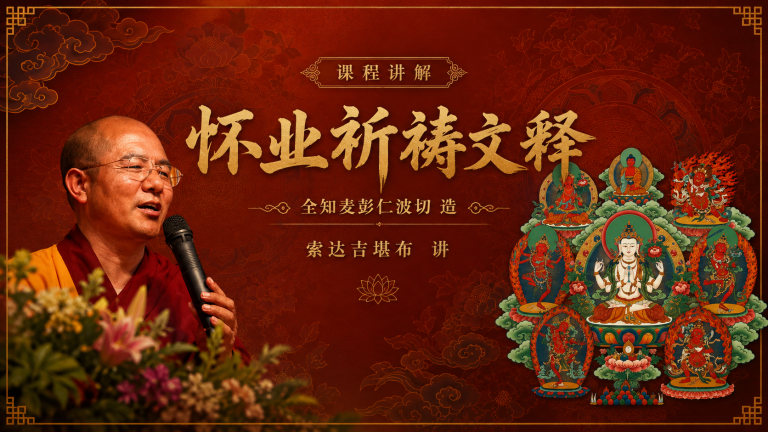
"The Polomies of the King" is also translated as the Book of the Bolomies of the Bolomies, known as the Book of Buddha.
Lectures
3
Course hours
Wyoming prays for a good speech.
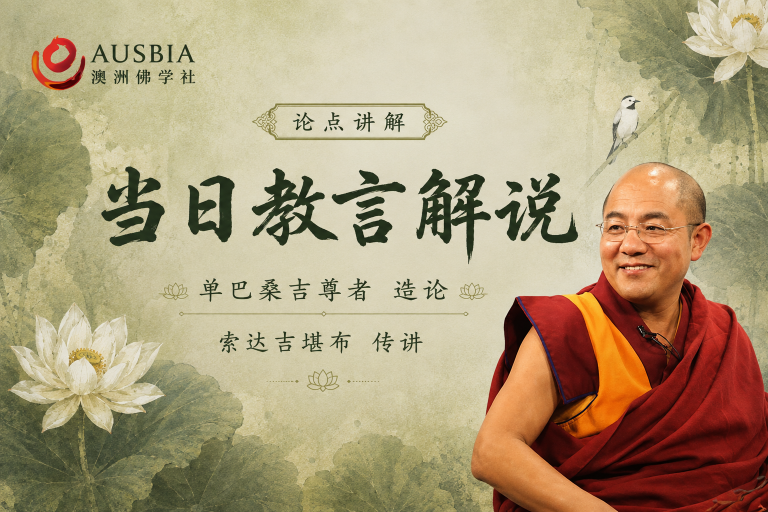
McPeng Inpoché's Wyoming Prayer is a great success, with both external and external effects: In external terms, it enables the ability to survive; in internal terms, it enables the ability to manage one ' s own individual heart, thus making the body and the body self-sufficient. This is described below.
Lectures
14
Course hours
That's what I said.
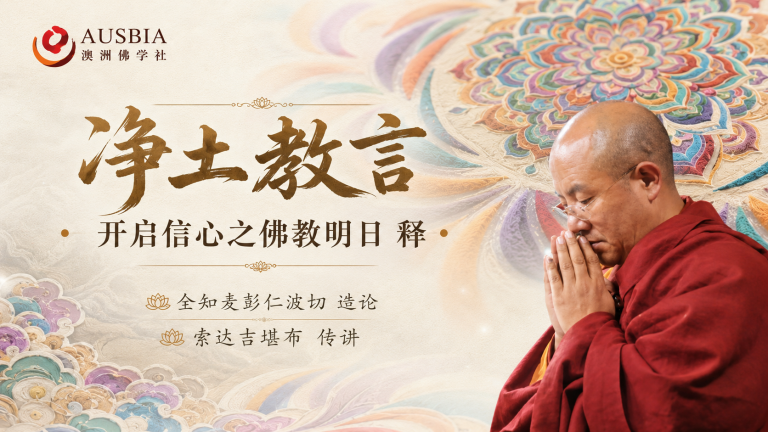
The Word of the Day is a sign of the difference between the locals as the sole Basanjis approach the silence, and a method of heart-building that has been given great importance by the great denominations. And it is a great addition, which is recited all the time in the day, and gives rise to distractions, pious hearts, and nothing.
Clean earth
8
Course hours
Que vivre.
The doctrine, which could be described as the " net nativeism " of Tibetan Buddhism, is particularly clear in the light of the teachings and arguments that will lead to a world of great pleasure.
The Book.
1
Course hours
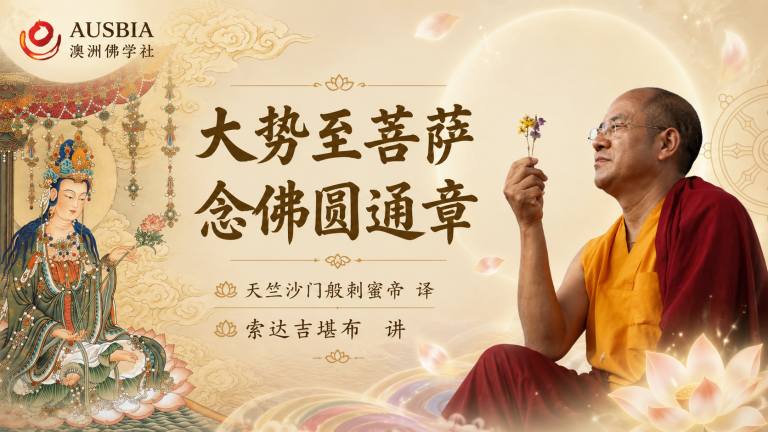
It's the Buddha's Book of Buddha.
In the Divine Book, twenty-five saints reported on each other's circular doors, of which the greatness of the Buddha was the twenty-fourth. He was devoted to the Book of Buddha. He was able to learn through Buddha, so it was called the "Big to the Buddha's Book."
Clean earth
57
Course hours
Buddha says there's no time.
The Book proclaims 16 ways of living in a world of joy, so it is called the Book or the XVI.
Engineering
1
Course hours
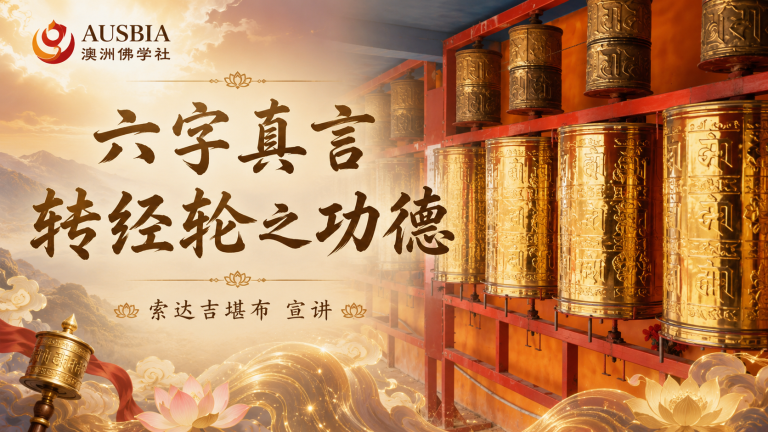
The six words are true.
The six words that have been introduced today are not a legend, and its incredible virtues are clearly documented in the continuation of the scripture. Tibetans have been Buddhist since ancient times, and the practice of transiting the wheel is widespread. Wherever you travel to the hiding place, or on television, or in propaganda, you can see that the Tibetan people's faith in Buddhism, especially in the promotion of the transit wheel, has reached every corner of the hiding place.
Clean earth
1
Course hours
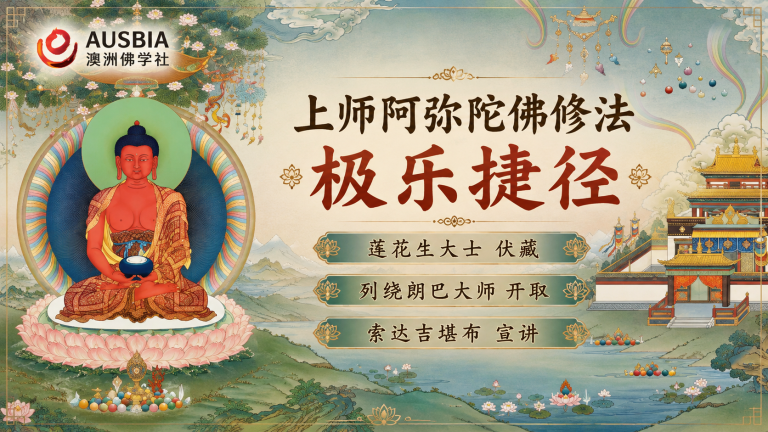
The law of Amida.
It's the same thing as the Buddha. The subheading is called "The Ultra-Language", through which it is quickly adapted to the Buddha of Amida, and it goes well into the world of Elysium. A man who has four causes of life and then devotes himself to it, even if he has the strength to do so, can go to the world of joy, except for the crime of defamation and the five crimes.
Five - Medium
114
Course hours
It's a big deal.
The full title of The Word is The Word.·It's a hysteria of the dragon tree. It is well known for its role, that is to say, by relying on this note, it fully shares the secret of the Buddha of the Dragon and knows its true wisdom, which is a very precious solemn statement. Master Zongqaba also called his "Theory of Science" note. Hey.·Quite a bit. It is clear from such an argument that, if it is to be true, it is necessary to rely on the advice of the monks and the monks, and it will be difficult to grasp it on its own.
Lectures
4
Course hours
It's amazing.
The meaning of "honoration" is not the author's only acclaim, but rather a direct acclaim for Garonnifer, indirectly acclaiming the empty door of law, including secular law.
Five about the precepts
22
Course hours
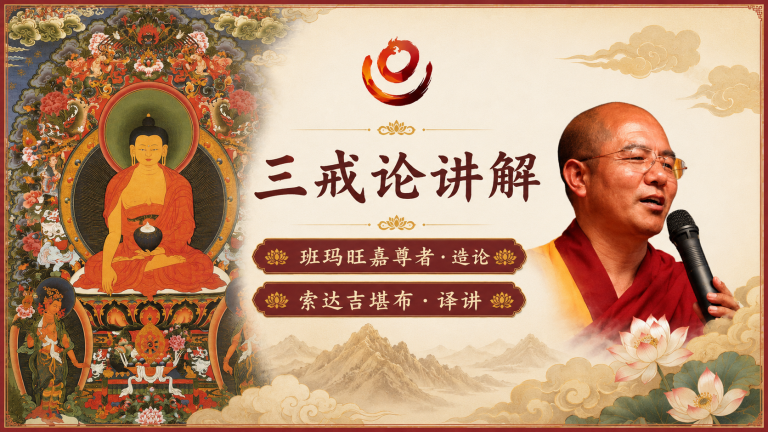
In the dictum,
Those present here have already received the Buddha's Ring and the Secret Service, and have received varying degrees of detachment in the family and in the family. In this way, it is important to understand the classification and protection of the three rings. Therefore, it is necessary to learn the Three Commandments, which Banmawangkabo built.

Lectures
2
Course hours
May the essence of the sea
May the essence of the sea.——A famous collection of Buddhist messages created by the King of France as he wishes. The essence of the 10 great wishes of the Buddha is the " Psychic promise " , which is recognized as the essence of the Psychic wish. It is also known as the "Small Bliss of Hope" and is often used as an echo, and its core content embraces the world of life Bliss and the Law of Flaming Buddha. The great wish of Buddha's province has been condensed in a finely condensed form, that all beings be born in the West with the most radiant brakes, and that they be given the words of an immeasurable Buddha (Amitabha) and that the power of the three men be fulfilled at an early stage. At the same time, it also prays for the unsullied sanctities to flourish and to remain in the world, so that all human beings may be at peace.
Lectures
20
Course hours
Heart-reaming blade wheel.
The Cardiac Rover (also known as the Heart Rhythm) is a pedagogy of heart-building by the ancient Indian Master of Law (Dama around Jedda). It is based on the great Wied King Kong, whose core teachings are like sharp swords that cut off the selfishness inherent in the practitioners, and my stubbornness and distress. It not only covers the very deep ethos of the ethos, but focuses more on nurturing the great altruism.
Clean earth
104
Course hours
The best way to hide land.
The Tibetan clean land law is the law of Tibetan Buddhism that combines the hysteria of the hymn with the hymn of the patrimony of the populist faith, with the Elysium as its main instrument. Its essence is based mainly on "Four points of life": a vision of the Bok-da, a capital deficit, a sense of faith and a desire to be pure, an emphasis on living with joy through a strong commitment and a desire to take advantage of it.
Lectures
20
Course hours
Family and friends.
The Book of Friends is a collection of faith-based teachings written by the famous Hindu Buddhist pharaoh of the second century A.D. to the King of Sadvahanas. The full text, with 123 praises, presents a systematic overview of the causes and consequences, ethics and daily learning to be followed by homemakers and homemakers.
The Book.
12
Course hours
Pu-hyun's gift.
The Phun Xian Wish is the core essence of Buddha's Divine Book, as it covers the ten great vows of Buddha and is also known as "The King of Ten Wishes". Not only is it a draconian and fundamental scripture, but it is also listed as one of the "Clean Earth Five" and has always been an important guide for the Buddhists of Hanshi and Hanshi in their day-to-day life.
The Book.
4
Course hours
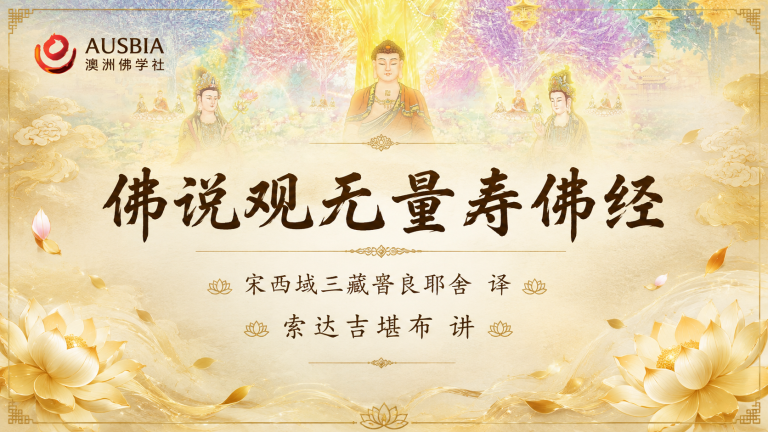
Buddha said Amitah is free.
Sodaji Kambu has a detailed account of the Buddha's Book, covering its interpretation, the Buddha's Curse and the Church's core, which is designed to guide people through the Buddha's Gate to the best of the West.

Lectures
8
Course hours
Master's 50s.
The Jubilee of the Jubilee is an important book of the ancient Hindu Buddhist confidant, born of Maming Buddha, which regulates in detail the standards, daily rituals and the way in which the pupil enters the faculty. The book, with 50 hymns, emphasizes "the visionist as the Buddha" and argues that the ultimate achievement of the Buddha is fundamental.

Lectures
24
Course hours
The sword.
"The Sword of Solvation" is Mak Peng Inpoche, a genre of Buddhist Ninmars.—A famous book. It is a tool that brings together the core wisdom of the secret Buddhist religion and is designed to guide the practitioners in the application of the right logic and wisdom in the analysis of the truth of Buddha.

Engineering
3
Course hours
I'm sorry.
The Democratic Trail was developed by Sodaji Kambu on the basis of the All-Knowing McPen Inpoché ' s "The Democratic Monument " . Kamb explained in detail the daily prayers of his masters on the virtues and necessity of Garonnife, emphasizing that this trajectory could not turn back on Buddha's life and lay a solid foundation for the maintenance of all the secret doors.

Lectures
1
Course hours
It's a fun song.
The Master of Freudous Songs.·It is easy to preach, it is always idle, it is always difficult, and it is impossible to sit in the mountains. It is easy to stay in peace, to leave the house, to be free, to be free, to be free, to be free, even if it does not come to pass. It is easy to teach, to be free, to be smart and to be blind. Dust tends to come out of trouble, and it is always idle, and it's hard to climb. It's easy to hear it, to be slow, to be idle, to be self-sufficient and to be wise. It's easy to learn, it's always idle, it's hard to believe, it's useless. Closeness is easy, and failure to do so is always idle, outside the centre of closure and in vain for thousands of years. It's easy to believe in Buddha, to say nothing, to say the truth, to say the least. It's easy to worship Buddha, to be unfaithful, to be idle, to be empty, and to be decapitated. The reading is easy to solve, and the recitation is always idle, and it does not take much effort, and the daily recitation of all volumes is vain.

Organisation
1
Course hours
It's a meat problem.
Eating meat is a major obstacle to practice, compassion and physical and mental health, and not only can it cut off the seeds of the Buddha, but it can also lead to such faults as distance and impunity.

Organisation
1
Course hours
The drinking problem.
Drinking can destroy intelligence and cause many physical and mental problems. In Buddhism, it is not only a sin to drink alcohol without reason, but even to sell it. Understanding the serious consequences of drinking should not only be eliminated, but must also be profoundly repented for past drinking.

Organisation
2
Course hours
Smoking.
In Soldaki Kambu ' s " Smoking Smoking " and related revelations, it is stated that smoking can be a serious barrier to freedom, to physical and mental health and to the detriment of the Buddhist cause and practice. He stressed that smoking was not only damaging to his own good, but also polluting the environment and harming people, and that practitioners should stop the practice.

Lectures
2
Course hours
♪ To the heart ♪
The 8th Renaissance of the Heart was made by the ancient Tibetan Buddhist Zhiang Zhiang Ba Zhu Zhu Zhu Zhu Zhu Zhu Zhang, and the law would be the central trick of the Buddha's law to overcome the troubles and build the Buddha's heart.

The Book.
16
Course hours
Seven for the heart.
The Seven Hearts is the core of the Buddha's message, which is passed into the Tibetan land by the Anthic Gorges.
Organisation
125
Course hours
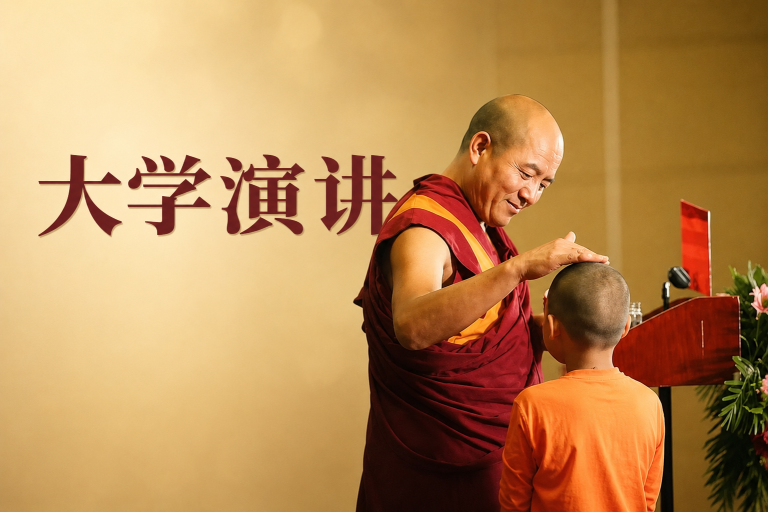
University lectures
Sodaji Kambu has been on tour at more than 140 higher education institutions, both in and off the sea, with a wide range of prominent institutions such as Tsinghua University, Beijing University and Harvard University. The topic of the presentation was widely integrated with Buddhist philosophy, Tibetan culture and modern science, and aimed at addressing the issues of the lack of faith, psychological stress and value of life faced by the present generation.

Lectures
11
Course hours
Introduction - An ninja
" The Inquisition of the Buddha " , by the Silent Buddha of the Temple of Nada, for the 8th century Buddhist philosophy of India. It's about how to start, how to practice vindictiveness and how to hold six polomies. This has influenced the discussion of the Buddhist approach in Buddhism.
Engineering
3
Course hours
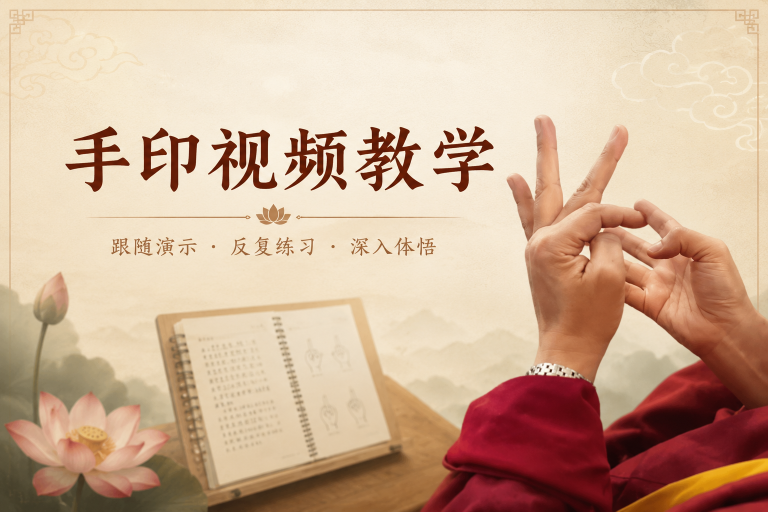
Handprint video teaching
The main handprints and maintenance methods in the delivery, care and smoke application tracks are taught in the course system, which helps participants to master the relevant gestures, visions and practical practices through a clear demonstration and sub-presentation. The content covers the basic use of handprints, as well as the key handprint differences and application scenarios in the nursing and smoke techniques, which are suitable for learning and consolidation by beginners and scalable practitioners. Through this course, the understanding of the trajectories and handprints can be improved, the day-to-day performance made more efficient and clean, and the merit of a net impairment in support and accumulation.

The Book.
12
Course hours
Peacock Extortion.
Treatise on the Destruction of Poison by the Peacock of Mind Training, authored by Damchö Raje Dampa and translated by Khenpo Sodargye. Chapter One: Following the Life of the Buddha The peacock wanders through the forest of poison. Homage to the Supreme Enemy of Yama! Just as Prince Chakravartin gave away his children and state affairs without hesitation, so too should one generously give up all cherished possessions and relatives. Just as Prince Vajra gave flesh from his own body to a tigress, so too should one joyfully offer this illusory body to those who eat flesh. Just as King Karunadeva fed yakshas with his own blood, so too should one compassionately offer this unyielding warm-blooded heart to those who drink blood. Just as the merchant Subhuti saved a school of fish by reciting the Buddha's name, so too should one bestow subtle Dharma upon beings poor in Dharma. Just as Prince Shunyata endured the inverted actions of evil righteousness with compassion and patience toward his relatives disturbed by evil conduct, so too should one feel profound compassion for those who act out of malice. Just as the Bodhisattva saved a sinful person from a well when he was transformed into a monkey, so too should one benefit evil beings without seeking gratitude or good karma in return; instead, guide them with compassion. Alas! There is no one who has not been a parent to us; there is no moment of happiness in samsara. Retaliating evil with evil is like being in a donkey pen; retaliating evil with good is like having a donkey's horn. If one does not now respectfully follow the deeds of the Victorious Hero, the deeds of the warrior will ultimately be difficult to accomplish; therefore, one should lay down one's life and diligently practice. After the Tathagata manifested nirvana, those who wish to learn from him must physically embody these practices; otherwise, the happiness of sentient beings will cease. Therefore, the joyful method of the warriors requires wholehearted asceticism without sparing one's life. This is the entry-level practice of the warrior and constitutes the essence of poison destruction in this first chapter. Chapter Two: The Utilization of the Five Poisons The peacock wanders through the forest of poison. Homage to the Supreme Enemy of Yama! Listen, warriors of this Dharma path—the beautiful peacocks of the forest of samsara—perched under the tree of afflictions of the five poisons, relying on poison for maturation rather than medicine. When the ocean of desire's poison surges, if one does not follow along with desire, fear arises that the desirer will act invertedly; therefore, one should eliminate this poison by appearing similar to desire. When the flower of hatred's poison blooms fully, if one does not manifest Yama's wrath, fear arises that the hater will create obstacles; therefore, one should subdue the enemy demon by appearing similar to hatred. When the mud of ignorance's poison stains, if one does not endure like a corpse, fear arises that the vicious will accumulate karma; therefore, one should cultivate equanimity by appearing similar to ignorance. When the tree of jealousy's poison flourishes, if one does not distinguish between self and others or inside and outside, fear arises that non-Buddhists will destroy the Buddha Dharma; therefore, one should protect the true Dharma by appearing similar to jealousy. When the tree of pride grows lush, if one does not display the power of conceit, one fears that demons will deceive and confuse; thus, one upholds the Dharma to crush the opposing side. Just so, all such toxic armies manifest as illusory appearances devoid of inherent existence, yet ultimately return to being bound by attachment to self; one should consume them like a peacock enjoying its food. Though displaying myriad forms to others, one does not lose the antidote within the heart; even if one must abandon life to leave good and remove evil, one willingly endures suffering for the sake of attaining enlightenment. Even if one thoroughly understands all sciences, if one does not lightly regard one's own happiness, one fears being carried away by gain into greed and anger, like striking a thief-dog to extinguish selfish desires. Even if one takes refuge with wise beings, if one does not deeply study the sutras and treatises, one fears slandering the assembly of wise ones; thus, one should repeatedly practice all knowables. Though day and night one suffers various hardships, if one does not contemplate the faults of samsara, one fears still creating causes for suffering; thus, one must remember the dangers of evil karma. Just so, to avoid various sufferings, one should rely on antidotes to break attachment to self; though an army of billions of demons attacks in unison, one should extinguish the fear of attachment to self. Even if one engages in altruistic action and falls into evil realms, one should feel no regret and instead rejoice; even if Yama demands one's life, one does not seek to prolong life for self-benefit. Even if one bears the evil karma of sentient beings, one should courageously shoulder it with little complaint; even if one suffers from contagious diseases caused by one's own faults, one should not exert effort to remove them. If there is nothing unwanted that comes to one, it will be difficult to accomplish desired things; wise ones observe various misfortunes and accept them as the source of happiness. Just so, accepting adverse events, sentient beings do not take this as armor; thus, happiness in samsara is ultimately unattainable, so one should accept all misfortunes. This is what a wise being should practice from the biography of the Buddha; this is what a warrior undertakes; this is the essence of conquering poison, Chapter Two. Chapter Three (Actual Practice): The Peacock Walks Through the Forest of Poisonous Vipers. Homage to the Supreme Enemy of Yama! Within the six periods of day and night, wise ones observe the general and specific faults of samsara; having arisen great fear in the mind, they receive the vows of individual liberation for protection. When the vows of individual liberation are firmly established, before attaining Buddhahood oneself, one regards all sentient beings as parents and makes the aspiration to act with a heart benefiting them. Relying on the firmness of the wish born of compassion, even if suffering within the forest of samsara, one does not think of removing others' suffering first but abandons life to persist in ascetic practice. At that time, countless barbarians, whose actions are distorted and endless, are like dreams and illusions, free from conceptual elaboration; one contemplates their nature as merging with the dharmadhatu. In the present, reality is empty; in the future, it too is empty. With renewed courage and fearlessness, without thought or deliberation, free from discrimination, spontaneously accomplishing solely the benefit of others. Shouldering such a practice task, the hosts of Mara grow increasingly intolerant. When obstacles gather like dark clouds, they dissolve under the wind of mantra into a clear sky. Emitting the fierce sound "HUNG," or giving rise to wrathful deities of great power, contemplate this aggregate body as an illusory city; know that the sound is also an illusory, wondrous sound. All phenomena are illusions born of mind; no identification can be made with the illusory consciousness. Originally nothing exists; simply relax and perceive the true liberation of the Dharma realm. Regardless of what hostile Mara appears, think of nothing and discriminate not. Step greed and anger toward self and others underfoot; view all as wrathful Yama, the enemy. All sentient beings have once been our parents; accept them with unwavering certainty. Great compassion protects without distinction between kin and stranger; the two truths guard without partiality. Thus practicing in accord with the Buddha's transmission, thus acting to delight the Three Jewels, such a person is protected by all protectors—this should be known by all children of the Buddhas. I despise shameless acts; contemplation born of heedlessness arouses aversion. This is the entryway conduct of a hero; this concludes the third chapter on "Consuming Poison." Fourth Chapter (Promoting the Dharma): A peacock strolls through the forest of snake venom. Homage to Supreme Yama, the Enemy! Strict precepts like Upali's; demeanor as dignified as Mahanama's. Do not lead parents onto the path of awakening; trample your own joy in liberation. Though skilled in the powers of the vidyā fields, praised by fools, if one does not shoulder the task of the Dharma, abandon them like a madman dancing. Though revered by all as a guru, if one does not bear the burden of the Dharma and seeks only self-interest to satisfy personal desires, such a person is spat upon by the holy assembly. Though acclaimed by all as a virtuous one, disturbed by egoism in the forest of wrong views, like a tiger eating its own young—truly terrifying—they are subdued by all protectors. Though clad in the saffron robe and quietly gentle, with thoughts as malicious as an evil cat, such hypocrites are incurable and devoured by ghostly women. Though becoming lord over ninety thousand beings, if one has not tamed the self, like a universal intruder, whose light of greed and anger shines in all directions, they are devoured by Yama, the Enemy. Though protecting all with a compassionate face, if one causes disciples to increase afflictions, though called lord of the faithful, such a person is rejected by those who uphold precepts. Though ordained and entered the Buddhist gate, endless trivialities like laypeople, disregarding all distinctions of acceptance and rejection, they are cursed by all sages. Clad in the kasaya yet not observing precepts, indulging and drowning in sensual pleasures, falsely slandering all sages and virtuous ones—this is subdued by the vidyadharas. To gain sustenance and adornment for holy beings, enjoying delights of desire like pigs and dogs, fraudulently claiming to be a tantric master while deceiving the multitude—this is burned away by Vajradhara. Claiming to uphold Mahayana while lightly treating cause and effect, preaching emptiness to deceive followers, secretly committing theft like ghosts—such oath-bound tantric masters are subdued. Offering no benefit to the essence of the Dharma in general, yet arrogantly claiming profound esoteric secrets, fabricating inferior verses from deluded thoughts—this is despised by all sages. If one's actions are destined to harm the Dharma as a whole, even if temporarily beneficial to some, it is like pouring rice wine upon a person with a fever; such trifling benefits should be cast into water. Those of little learning and poor attainment are mistaken by others for superior attainments; leading fools without following the graduated path—such persons are degraded by wise ones as dogs. When enemies of the Dharma arise in multitudes, yet one arrogantly claims that observing precepts is virtuous, abandoning them while not speaking according to goodness—this is exceedingly rare. Thus, if one breaks the individual liberation vows, fearing oneself will fall into great evil realms; failing to subdue and destroy the enemy demons who harm the Buddha's teachings, but breaking vows against enemy demons—such enemies should be slain. Those bound by afflictions, karma, and ignorance, disregarding the Dharma teachings and sentient beings, only harboring anger toward enemies who harm themselves, chanting mantras to execute retribution—whether one observes precepts or not is truly questionable. Condemned by all Buddhas, all self-benefiting actions should not be undertaken; praised by Tathāgatas in all directions, whatever they are, should be practiced. Those endowed with wisdom should understand the beginning and end of all actions: if one violates the Dharma and abandons life, one must not harm others while benefiting oneself. Fools gradually fail to perceive this; wise ones comprehend it as clearly as the palm of their hand. This is the entry practice for a warrior hero, encompassed in Chapter Four, "Consuming Poison." Chapter Five: (Destroying Self-Attachment) The Peacock Walks Through the Forest of Viper Venom. Homage to the Supreme Yamāntaka! Those harboring malice and hatred have all come here from the black quarters; billions who eat flesh and drink blood have arrived today before my sentient beings. All hosts of devas, dragons, yakṣas, night demons, gandharvas, asuras, and other non-human realms; countless hungry ghosts wandering in emptiness; debt-collecting spirits and all such entities—all have come here. Born deities, siddhas, and celestial beings; evil teachers, great demons, and the eighteen enchantresses; all vidyadharas and protectors; the holy assemblies of the Three Jewels—have all arrived at this place. All beings dwelling in samsara and nirvana, who bear witness here, I now stand with unwavering resolve to take this vow; hear these mighty words attentively: Through past karmic causes and favorable conditions, I have attained the ten perfections of this body; rare joy arises within me day and night. Why should I not pursue benefit and happiness? Having taken ordination through pure aspiration, I have renounced selfish desires and donned the robe of vow-action; having gained a victorious mind, I undertake the burden of benefiting others; entering the path, I enjoy the supreme bliss of sustenance. All gathered beings, listen again: Evil beings are thus cruel; sentient beings without affinity possess thin merit—I do not wish to seek the land of ultimate bliss. Without accumulating vast merit, the realms of evil suffer intense pain; due to such actions of creating sin, I do not delight in dwelling in places of quiet joy. Ordinary fools are easily countered and changeable; the mind of demons acts similarly. Impermanent life does not cease—it passes away—I do not delight in residing in secluded places. Hatred toward many enemies of the Dharma is prevalent; few achieve a firm foundation. The signs of this degenerate age are thus intense—I do not wish to go to the realm of sky dancers. Even if all beings in this world become my enemies, though powerful ones oppose me, I remain unmoved by even a single hair's breadth; I don armor upon this cycle of rebirth. When infectious diseases spread widely and severe plagues prevail, may I serve as doctor or nurse, donning the mighty armor of compassion. When protecting the powerless sentient beings, when great harm arises from evil conduct, may I cultivate greater love and benefit them, donning the armor of all warriors. In the forest, terrifying man-eating tigers lurk, swiftly running to snatch lives; for the benefit of sentient beings, without hesitation, I don armor and go there. When extremely unpleasant events occur in the world, when various ominous signs envelop us, to destroy my attachment to self and my own negative nature, I shall view them as auspicious and don armor. When numerous unnecessary things arise—karma and afflictions deluding—the life of my ego-attachment is willingly accepted; I don armor against them. "Hah! Hah! Hah!" (Tum pa ya ho!)—slay the death demon, burn the lives of pleasure-seeking ghosts, shatter the heads of laziness and sloth, sever the cords binding to samsara. If we deeply investigate the cause of suffering in this cycle of rebirth, within the palace of discriminative deluded mind, we see the king of ego-attachment. When challenged and engaged in conflict, I reply: "I have entered from beginningless time; my self pervades the inner, outer, and middle three realms. Let the six aggregates' masters determine truth and falsehood." Who am I fighting against? Am I my own enemy? Who protects me? Whether action or non-action, I bear witness. By regulating myself, I attain liberation. He instigated conflict, and in that conflict the wicked prevail; where greed and anger exist there is no liberation, but for one who practices without thought, supreme bliss is found. What does this playful saying refer to? The life clinging to existence must be slain; the life clinging to non-existence must be burned; the king of self-clinging must be destroyed. If the master of consciousness is not tamed, fear arises from being secretly led by the king of self-grasping; if the master of consciousness has been tamed, the other masters such as the eye will also cease. Therefore, tame the master of consciousness: form, sound, smell, taste, and so forth are all non-existent; self and what belongs to self are also non-existent; the king of deluded thoughts departs from its object. When this king spoke thus, deluded thoughts spontaneously dissolved into the dharmadhatu; the six senses are empty like illusions, and the two grasping activities are empty like magical transformations. Root out those discriminative thoughts: there is no taker or taken; the view of self merges into the dharmadhatu; greed and anger revert to a state without self and other. Like a rabbit's horn having neither sharp nor dull edges, those with superior, intermediate, or inferior faculties are free from bondage; like a daughter of stone having no grasping or rejecting, the nature of samsara and nirvana is unified in equality; like turtle hair having neither length nor shortness, arising and ceasing all return to the great Madhyamaka; like an echo inherently empty, conventional phenomena converge into ultimate truth. A-ā represents non-arising like space; ō-ō represents non-ceasing free from conceptual elaboration; wūng represents recognition of the pure dharmakaya. May compassion and great compassion embrace us. Thus, in "The Peacock Walking Through the Poisonous Forest," having obtained the pure wisdom eye that comprehends all phenomena, possessing the power that cause and effect are not false, no longer doubting the meaning of non-duality, and dwelling in the cave of Mount Black, I, the yogi Damchö Chökyi, with compassion free from conditions, compose this for the benefit of all sentient beings. May these merits become auspicious! All吉祥! Translated on September 23, 2024 at the Vajra Lotus Palace by the River where the Peacock Extinguished Poisonous Forests.

The Book.
6
Course hours
The Sword of Sword of Swords.
The Sword of Wisdom that Destroys Demons, composed by Jamgön Mipham Rinpoche and translated by Khenpo Sodargye. Holding the bow and arrow of wisdom, we shatter the army of delusion and ignorance; dispelling the fear of the four demons, we pay homage to the brave one who subdues them. Humans fall into the net of false thoughts and are captured by demonic magic; yet those who can pull the arrows from their hearts have this secret taught here. Even in dreams, wise beings still strive for happiness; who in this world blocks prosperity or pushes one toward decline? The path of rise and fall is shared by all sentient beings; if one could enter freely, why would anyone choose to go toward decline? In hellish fires and other intense sufferings that never end, if there were a creator, who would not resent them? The great demon hides in darkness, relying on the five seals; constantly tormenting gods, humans, and non-human beings like slaves. Though this is the truth, sentient beings do not understand it and have never devised plans to destroy the demons' deceptive arts. Arrogance drags one down from high places; attachment binds others while enslaving oneself; stinginess casts away oneself; anger burns others and destroys oneself; jealousy strikes others and ruins oneself. These five illusions of arrogance, greed, stinginess, anger, and jealousy are fierce demons. Once they bound my inner mind, causing loss of happiness—alas, why do we not see that we ourselves have entered the realm of these mind demons? In this very moment of knowing, do not accompany this great enemy; the cunning demon is foolish, driven away by the light of wisdom. Grasping the sword of light, shatter the five seals of the demon, penetrate the demon's lair, and slay them completely without remainder. Though the object of attachment is near at hand, latent tendencies remain uncut; through the power of non-rational thinking, greed and other afflictions arise and increase. What can one crave if there is no object? Who can crave if there is no mind? How can one crave if there is no delusion? Therefore, understand dependent origination. Who craves an unreal object? A collection of real but insentient particles, divisible into many dusts; even the dust itself can be further divided. Far from inherent existence, it abides like a bubble of water. The mind possesses many aspects of self-nature; examining one fraction closely reveals no abiding place and nothing to grasp—not visible even to the five eyes, who could crave such? If each of the many parts is not craved or clung to, and there is no other object of craving, where does desire for attachment arise? Observing the one who craves: whether real or unreal, just as the reality of the object is not found, so too the craver is not found. Therefore, do not wish to abandon this; before it, there was no such greed; after it, it does not abide—it is a phenomenon arising dependently and suddenly. The object of craving and the craver arise in an instant and cease; impermanent like lightning, who can crave whom? Thus, regarding stinginess, anger, and so forth, in all objects of perception and non-perception, one must apply this reasoning to examine and refute each individually. In the end, no truly existent object can be found; what then is the essence of self and other that is said to exist? Since there is no inherent nature, and since it is empty like space, both the truly existent and the non-existently existent are empty in their own essence. However, this ultimate truth cannot be attained as mere emptiness like space, because deluded thoughts arise from grasping at objects, thereby generating only suffering. Now, practicing without an object of meditation, the habitual tendencies attached to objects dissolve within the realm of their own nature; one must firmly believe in this principle. Regarding phenomena that appear where nothing exists, attachment is extremely strong; yet such attachment should not be clung to, as it brings forth myriad sufferings. The thirty-six impure states differ in form; why desire to embrace and touch bodies of men, women, and others? Within the lake of blood, feces, and urine dwell filth and parasites; if these were worthy of attachment, one should surely be shown this. Thus, deceived by attachment, one sinks into the mud of suffering, with nothing trustworthy remaining. All conditioned phenomena are subject to decay at any moment; upon examination, they possess no merit but only numerous faults. Contemplating such truly existent phenomena, one should not only refrain from attachment but view them as a cesspool, cultivating profound revulsion. Why cling to this bondage? Without attaining complete merit, one must abandon this inferior method and attain the benefit of ten thousand joys; by leaving behind what lacks substance, one extracts true essence. What can one not give away among what one possesses? One should gladly practice generosity. Humans are bewitched by illusions; sentient beings lack autonomy. Alas, they wander repeatedly in the wilderness of samsara. In former lives, when they conceived and gave birth to me, they regarded me as their own flesh and bone, nurturing me with all their strength. If such compassion could be mastered by oneself, it would surely never be abandoned; yet death seizes it away. All sentient beings everywhere seek happiness like myself, but due to ignorance, they abandon happiness. Alas, observe my mother! Bound by long-lasting compassion, one suffers the pain of separation at death; now when we meet again, one scorns me as a stranger. Demons disturb the mind; anger and other painful afflictions constantly enter the heart—how can the mother not be ruined? Drifting without protection in samsara, enduring unbearable suffering for a long time, who among the wise does not feel compassion for all sentient beings, who are our own kin? Therefore, toward all sentient beings, one should not only refrain from anger but respond with extreme compassion, just as a mother loves her child. They originally needed my care; occasionally they attain happiness and joy. If I were to envy or resent them, alas, who bewitches me? The wealth and status of others have never been taken from me; even if they were absent, I would not lack anything. Even if all of them attain the ocean of virtue and the perfect Buddha fruit, their virtue does not diminish mine. Why should I envy them? Those who are arrogant due to fortune—that fortune is the result of virtuous actions. Their arrogance destroys their own fortune; thus, they are objects worthy of compassion. Above those with faults, there are many endowed with virtues. Even toward them, I do not feel envy; why then envy the inferior? The world contains countless individuals—some inferior, some virtuous. Who determines who is inferior and who is superior? Envy destroys one's own favorable conditions. Therefore, regarding others' abundance, not only should one not be envious, but like a poor person finding a treasure, one should rejoice with utmost joyous appreciation. If I reflect on my virtues surpassing others, I realize that my past virtues did not exist; they arose temporarily due to causes and conditions. Since I depend on conditioned phenomena, so do all others. How then can anyone obstruct those who possess greater fortune than me? The minds of sentient beings are beyond my direct perception; how can I definitively assert that no one surpasses me in virtue? Possessing arrogance and other afflictions, I am swept along by the waves of suffering in the ocean of samsara. This virtue is conditioned in nature; it arises abruptly depending on causes and conditions. It is something that can be destroyed—why should I increase my pride? People absorb merit like sesame seeds absorbing the fragrance of flowers; mixed with defiled impurities, what is there for me to find pleasing? Lineage, appearance, wealth, and so forth are countless superior qualities above virtue. Observing them, I am the most inferior. Even those without faults dwell in an equanimous mind; why should I, who possess many faults including arrogance, be arrogant and deserving of rebuke? Because of slight merit, I become conceited and self-satisfied; yet my mind is filled with excessive faults—why not recognize myself as extremely inferior? If the stain of pride were completely absent, then I would be truly superior. As it is, with such intense pride, who could compare themselves as inferior to me? Without a sense of self and conditioned aggregates, clinging to them as inherently existent—even if virtue were vast like an ocean—what do I have to be proud of? During the period of pride and similar states, I should recognize myself as most lowly. I should behave like a gentle horse, respecting all beings and maintaining proper demeanor. Through such careful contemplation, within the firm realization of the two truths, after repeated practice, the clinging to appearances is thoroughly purified. Emptiness yet dependent on causes and conditions—the illusory city of samsara—when unexamined, its pleasing aspects are enjoyed as if real; but when seen as illusion, they are utilized accordingly. The great wisdom light of Manjushri, the clear light of mantra and wisdom, when manifesting within the mind, burns away all obstacles in the dense forest of obscurations. Vajra Manjushri, the Lord of Courageous Wisdom, wields the sword of great compassion to sever the five illusory arts of Mara: the demon of self-grasping and afflictive emotions. From this moment forth, they shall never again arise; no trace remains in the past. Within the realm of ultimate truth, if one employs the method of subjugation, it is like destroying a tripod—thus annihilating the celestial king Mara; like sowing seeds that burn without sprouting—thus eradicating the demon of the aggregates; like oil exhausted and the lamp extinguished—thus causing the death lord Mara to perish. At that time, the valiant lion slayer of the four Maras dashes forth with vigor, severing the stream of saṃsāra and ever walking in fearlessness. This great array gate for subduing demons is the path of skillful wisdom-light. With right speech revealing goodness, may all sentient beings be prayed to: having overcome the four Maras, they become Vajra Manjushri. This profound essence of shared mind-training was composed by Mipham Namgyal Jéwa on the fourth day of the tenth month in the Year of the Earth Tiger. May the realms throughout the boundless space be adorned with beautiful gardens strewn with yellow flowers, embellished with immeasurable splendor, accompanied by auspicious signs interwoven in varied patterns. May there be great fortune! Translated at the Fierce Padmasambhava Palace on the banks of the Peacock Forest that Extinguishes Poison, October 6, 2024.
The Book.
83
Course hours
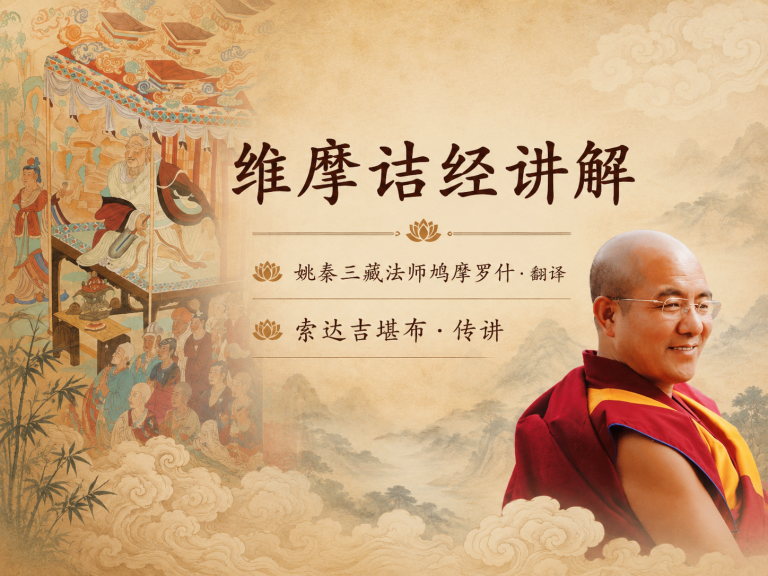
Youto's scripture.
In the great Buddhist scriptures, there is a hallowed hymn.——The Book of Judah. The Preciousness of this book, proclaimed by the self-proclaimed Mujahideen Buddha, the Arohanfa Saviour, as well as the Christian Bible, the Islamic Koran and known as the fundamental sacrosanct of the world ' s three major religions, is evident.

The Book.
38
Course hours
The Holy Emancipation.
The Book of St. Lucia is an important Buddhist classic, also known as the Book of Monopoly of Repentation by Chase, and its main content is the interpretation of the Eight Consciouss by Caronivos for the benefit of all, from uncertainty, suffering, incontinence, neglect, foolishness, poverty, to the eight consciousnesses of death, which lead practitioners to liberation through repentance and a great use of their hearts, and to the ultimate achievement of the Fatherless, at the heart of which is the understanding of the air and the absence of me, and the absence of words in the writing but ultimately beyond the first sense of the word.
The Book.
66
Course hours
Widmore cross-examination.
The Verkhovna Rada is also known as The Unimaginable Emancipation, as it proclaims some incredible truths that cannot be measured in two different words. As a result of her anguish and ignorance, she is unable to fully understand the meaning of the Book as if it were the sight of a blind person.
The Book.
8
Course hours
The Lotus master prays for forgiveness.
The third world's most blessed master of gold, like nature's original philosophies, and the five-decisive choreography of the world, which has been brought to a successful conclusion by the French, presents an incredible incarnation, the only one in Buddha's life, not the rest. As has been said in the Upper King's religion, the master Lotus peanuts' three-sided choreography is, in this case, also known as the Sanctuary of the World, which includes 3,000 women, and the six different ways in which he moves in different ways. He is also a symbol of the incredible deformation of one body, eight names and 20 Gods.

Engineering
103
Course hours
We're going to do it.
It is not just a matter of listening to and understanding the words of the words, but more of a matter of action, of putting its content into the heart, of trying to manipulate itself by combining and moving it, so that it can transform itself into a true true healer.
Lectures
201
Course hours
Into the Buddha.
The need to learn the Buddha's House is an indispensable lesson for those studying the Great Buddha. Of the Tibetan Buddhist denominations, every layman in a formal monastery preaches the subject; and there is a general perception that if you are to be a true pedagogue, you have to be fluent in the Pygmy. The introduction of the subject is based on the main subject of the subject, " The Incarceration of Buddha " . Of the 84 thousand French men of Buddha's law, its pious teaching is to take advantage of the Buddha's heart, which must be born on the master's know-how. It is the most systematic and successful book ever written by both India and India, and it is the mandatory content of every formal monastery in the Tibetan land, which is served as a gift by all of the university ' s majors. If you're interested in the Buddha's law, the Buddha's fine.——The Buddha has a strong sense of purpose and can choose the profession of opinion.

Introduction
23
Course hours
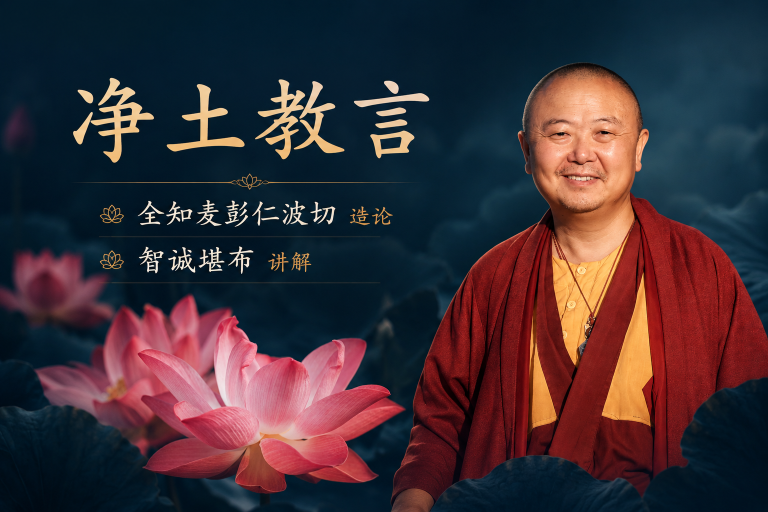
Find the first of you.
We all have the essence to hide, to be kind and to be able to change ourselves. Don't always think you're a bad person, no hope for better. Agitated hearts can be tempered with a long period of thought. The heart of the Buddha is full of joy, and nothing is discomfort.

Organisation
6
Course hours
BIA2025 Subjects and Answers
BIA2025 Subjects and Answers
Clean earth
5
Course hours
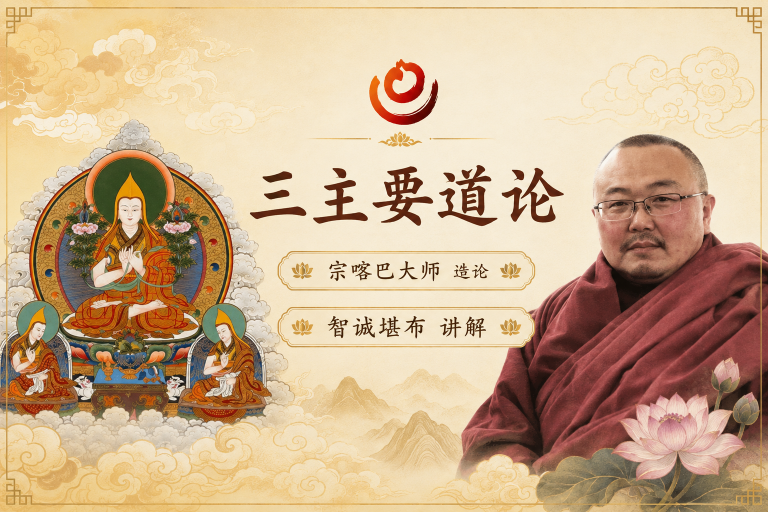
Pure native language
"The Word of the Tranquoise" belongs to the Tibetan Buddhist nettery. It's like a hyena in the milking sea. Zenium Again, it is the know-how of McPeng Inpoch with the greatest wisdom in the vast sea of teaching.
Lectures
3
Course hours
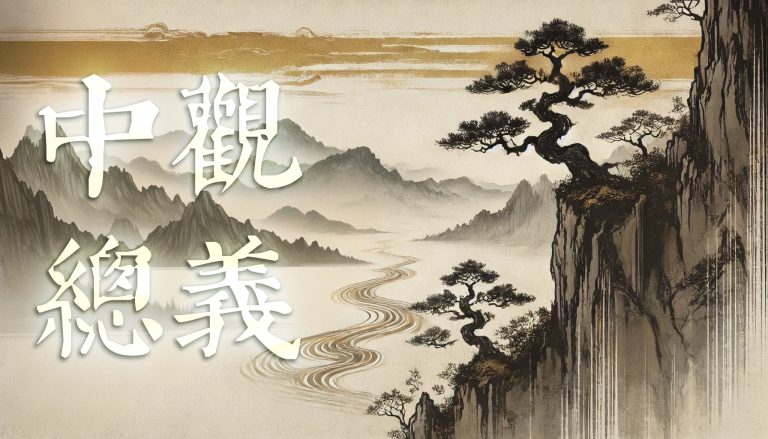
Three main lines.
The title of Master Zomba’s Three Main Words is three main lines, i.e. centrifugalism and paganism, as well as ingenuity. Indeed, if we want to get out of this, we must have all three main links. If one of these three is missing, it is difficult to get out.
Lectures
21
Course hours
Medium General
In the wake of Fueñe, the Buddha of the Dragon Tree was born to create his own idea of a middle vision, and to choose Buddha's second vision of the absence of the law.
Lectures
146
Course hours
Course
"Mechanism" is the key to a simple demonstration of all kinds of learning. And those who have no light in this, for the sake of their forebears, proclaim in plain and comprehensible terms the deep law that is essential to the conduct, and are therefore known as the secret. Treasures: Treasures are precious, and for the pedagogues, the know-how is precious. Because of the great volume of Buddhist literature, it is hard to survive a short period of life, and only by the know-how that has been passed on to the ancestors in the past, can the sacred fruit of the Book be taken as evidence. "Having" is what it contains, and it has the meaning of infinity. It contains a secret like a treasure. It is called "Theory" because of its role in cutting off the mindless troubles of people, in the right mind and in the right way.
Introduction
24
Course hours
Close to happiness.
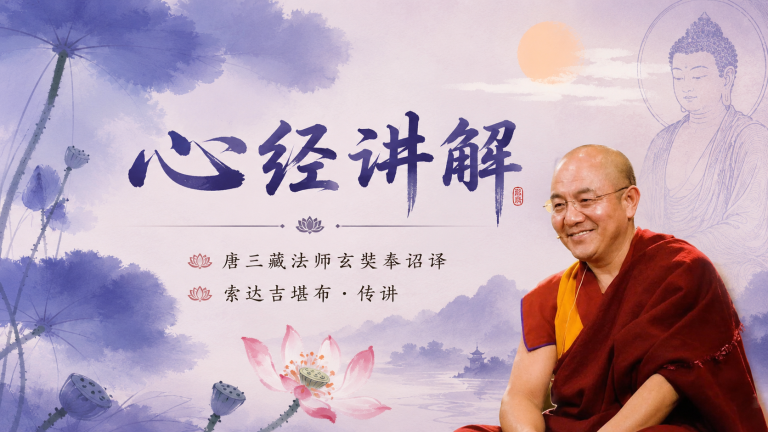
In the face of suffering, how much money is worth, the essence of happiness is heart, the education of Buddha in the age of technological development, the life sciences of Buddha, the life of the next and the clean land, confidence is the best asset, and beginners should not look at a teacher as if he were a Buddha, with 10 things they could not do, a confession, a lesson in Buddha, a victory.
The Book.
15
Course hours
My heart speaks.
The Book is short, but it contains all the empty religious laws of the province. When Buddha approached Nitra, he attached great importance to the Book, and he told his disciples, "My law is nothing, but it cannot be hidden or destroyed, for this is the treasure of the world." Therefore, it is necessary to think about the Spirit.
The Book.
30
Course hours
Twenty-two mother-to-child lectures.
The Twenty-Fifty Mother Zan is a Buddhist scripture, in Tibetan and Mandarin ' s Book, and is made up of twenty-one hymns, which celebrate the image of twenty-one mothers, the Green Mother and the White Mother, respectively, in favour of a different kind of salvation.
Lectures
145
Course hours
Let's get to work.
Great success: the supreme law of Tibetan Buddhism. Whoever is able to pass through the All-Ways in his heart, the heart of light is the same as the heart of emptyness. In other sects, this great and successful context is called "discretionary" , "unwise" , "big handprints" and so on.
Loading...
Loading...
Loading...
Loading...
Loading...
Loading...
Loading...